

Hot or Not: The Retail Trends to Watch Heading Into 2027
The mall is back and the doom scroll is out. See which retail trends are hot going into 2027, from curation and social shopping to clienteling and texting.

After years of e-commerce focus, brands are leaning heavily into the in-person shopping experience. Instead of an endless scroll of product, customers are responding to curation, trusted advisors, and the human connection that shopping IRL brings.
And this goes well beyond a nostalgic return to the mall. The brands that are winning are leaning into their strongest channel, their store staff.
Shoppers can buy almost anything from their couch at this point. What they can't get from a product grid is someone who remembers their size, knows what just came in, and texts them when it does. That's the gap physical retail is filling right now, and it's why so many brands now see their stores as the place where loyalty actually gets built.
And with the holiday rush about to fill stores with new faces, there's no better time to look at which trends are worth carrying into the new year.
So before you break out your Juicy Couture sweatsuit, let's check on what's hot and what's NOT for modern retail brands.
That's Hot: 5 Retail Trends Brands Are Leaning Into
1. The Mall Is Back!
Mixed-use spaces focusing on retail, dining, and entertainment to increase dwell time are popular among Gen Z shoppers looking for IRL connection. Retailers are focused on brick and mortar expansion and stores as brand experiences, not just extra warehouse space.
The logic is pretty simple. The longer someone stays, the more chances they have to discover something, run into a friend, or decide to try on one more thing. A store next to a great coffee shop and a spot for dinner gets a very different kind of visit than one sitting alone in a parking lot.
That also means the store has to earn the visit. A few things make a space worth lingering in:
- Comfortable places to sit and hang out, beyond racks and registers
- Events like trunk shows, styling nights, or local collabs
- Associates who have the time to actually talk to people
2. Curation
Selection, complementary brands, and experiences with a connection to the local community are winning over uniformity and an endless doom scroll of product.
Shoppers already have infinite choice online, and most of them are a little tired of it. What they want from a store is an edit. Someone has already done the work of picking the good stuff and putting it together in a way that makes sense.
Good curation usually comes down to three things:
- A tighter assortment chosen for the people who actually shop that location
- Complementary brands or local makers that round out the story
- Associates who can explain why something is on the floor and who it's for
That last one matters most. Curation lands best when there's a person on the floor who can turn a well-chosen product into a personal recommendation.
3. Social Shopping
And we don't mean social media shopping. Getting out of the group chat and into the store as an activity. The best stores are becoming a third place, somewhere to meet up, discover together, and hang out, turning a solo errand into a shared one that keeps people (and their friends) coming back.
Think about how younger shoppers make weekend plans. An afternoon of browsing, trying things on, and grabbing a bite is a social outing, and the store is the venue. Brands that lean into this make it easy for groups to hang out, with room to move and a fitting room big enough for a second opinion. Every friend who tags along is also a potential new customer, which turns the store into a quiet acquisition channel too.
4. Clienteling, For Real
63% of shoppers say they're more likely to shop again when a local sales associate follows up with them personally, and 55% have gone on to make another purchase because of it. More than a third (35%) say it's happened more than once. A real relationship brings someone back in a way a discount code can't.
The "for real" part is about consistency. Plenty of brands send the occasional thank-you text when the floor is slow. The teams seeing results have made follow-up a habit, and they tend to share a few practices:
- A set follow-up rhythm. Brands like Jones Road Beauty use the 2-2-2 method, with a thank-you two days after purchase, a check-in two weeks later, and an invitation back at two months. A shopper who buys in mid-December hears from their associate again in February, right when most stores go quiet.
- A named associate. Customers know exactly who to reach when they need something.
- Real tracking. Messages sent, reply rate, and attributed revenue get measured like any other sales channel.
5. The Personal Text
Texts get read. SMS earns a 98% open rate, and nearly 60% of consumers respond within five minutes. It reads like a friend checking in, sent and read in the same moment, and that's exactly why it converts.
The key word is personal. A text from the associate who helped you, saying the jacket you tried on is back in your size, lands very differently than a generic promo. A few things keep texts feeling human:
- Send from a real associate, using their name
- Reference something specific from the visit
- Keep it short and end with an easy reason to reply
Behind the Personal Clienteling Text
63%
more likely to purchase again
98%
sms open rate
36x
conversion rate vs. mass marketing
3 Retail Destinations Getting It Right
Want to see these trends in the wild? These three shopping destinations are proof that people will still travel, plan, and spend a whole day for a great in-store experience.
South Congress, Austin

The shopping destination that keeps Austin weird, where you'll find the best boots and vintage, and curation thrives. But don't take our word for it. The team at STAG is out here styling the boss, Bruce Springsteen!
SoCo is curation at the street level. Independent shops, a strong local identity, and a stretch of sidewalk you want to walk end to end.
Mall of America, Bloomington
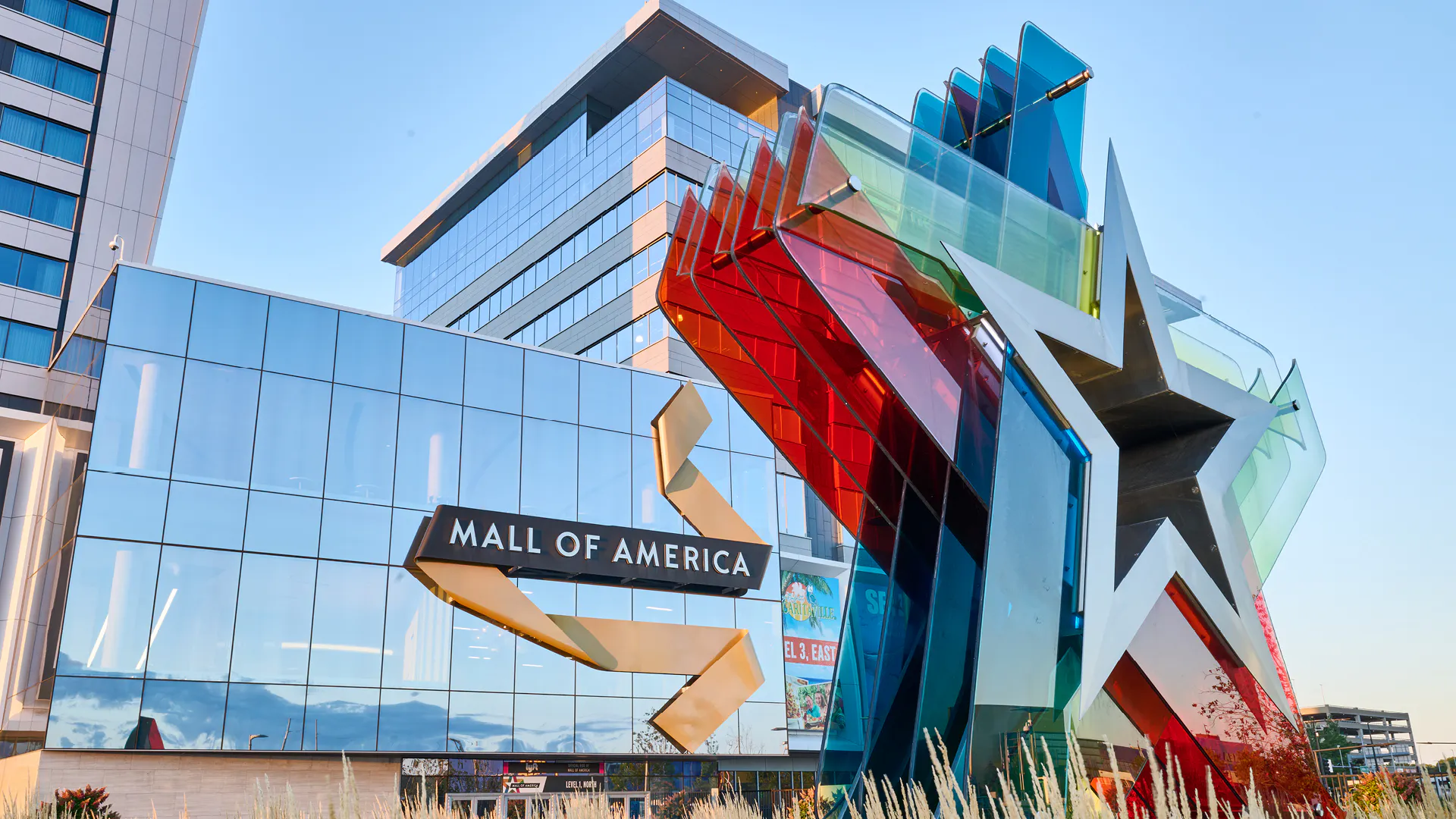
The ORIGINAL destination mall that still reigns supreme as the largest shopping center and indoor attraction in the U.S. Many aspire but none come close. With over 500 stores, a theme park, an aquarium, and a mini golf course, they are truly in a class of one.
If you need proof that dwell time is a strategy, this is it. People plan entire days (and entire trips) around a visit.
West Hollywood, Los Angeles
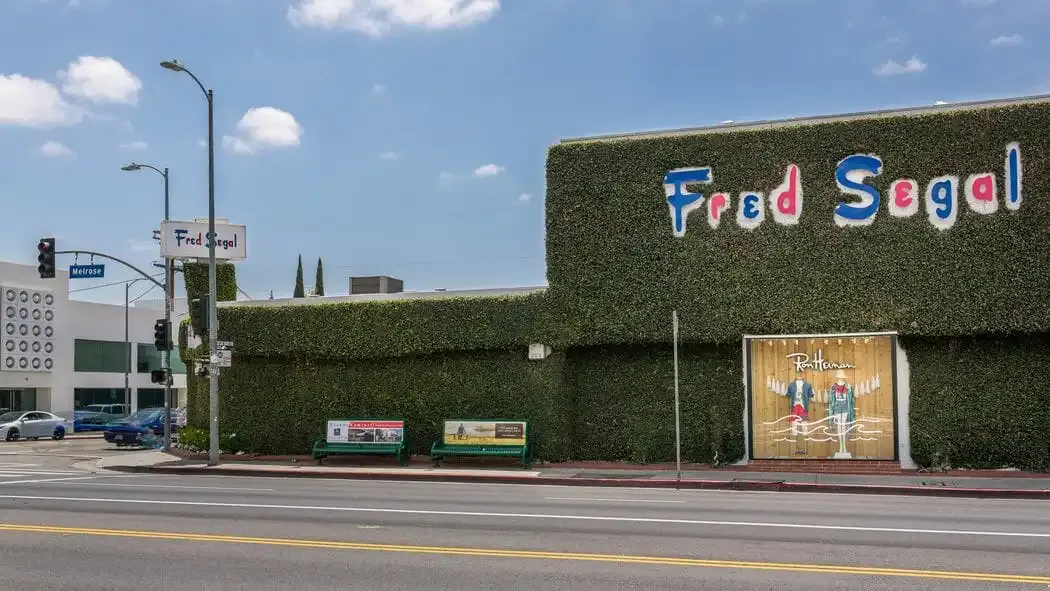
Iconic. WeHo was built on designers who wanted risk over polish, a stretch of Los Angeles where flagship fashion, street style, and pop culture collide. With the alleged revival of Fred Segal on the horizon, we're already planning our next visit.
That's NOT: 5 Retail Trends on Their Way Out
Careful! Don't get burned by these.
1. Digital Only, Nothing to Touch
Brands with no physical footprint are the ones now racing to open one. Trust, discovery, and repeat buying still happen best in person. DTC brands that open physical stores see local online sales rise 13.9% on average, which makes digital alone start to look incomplete.
The reason is pretty intuitive. A store lets people feel the fabric, check the fit, and meet someone who knows the product. That trust follows them home, which is why the lift shows up in nearby e-commerce sales too.
2. Conformity
There's a real difference between every location feeling unmistakably you and every location feeling like the same template, copy-pasted. The sameness is what curated, locally-connected assortments are replacing. Same brand, never the same box. (Clarkston Consulting, 2026)
Brand standards still matter here. The shift is in giving each location room to reflect its neighborhood, whether that's a local artist collab, an assortment tuned to the climate, or associates who know exactly what their regulars are into.
3. The IG Corner
Splashy, photo-only installations are losing favor as shoppers grow wary of experiences that don't extend past the picture into real product engagement.
A neon sign and a flower wall might earn a post. But if the shopper leaves without touching a single product, the brand got a photo shoot instead of a visit. The experiences working now pull people toward the product, like styling stations, personalized fittings, or anything that ends with someone holding something they love.
4. Being a Stranger at Your Favorite Store
A third of shoppers say a brand has never even recognized their purchase or loyalty history. That stings when you've been shopping somewhere for years.
Marketing campaigns do important work reaching a lot of people at once, but making someone feel known is a different job. That's where one-to-one outreach from an associate comes in, and it's why the best brands run both. Endear clients see 30x higher conversion on personalized, one-on-one outreach than on mass marketing alone.
Recognition doesn't take much. Small things go a long way:
- Greeting returning customers by name and knowing what they bought last
- Keeping notes on sizes, preferences, and upcoming life events
- Following up after the visit so the relationship picks up where it left off
5. Too Many Tasks, No Time to Connect
Most associates want to build relationships. The problem is everything else on their plate. Retailers say their teams lose too much shift time to administrative work, heavy operational tasks, and outdated tech that is more trouble than help. This leaves little bandwidth for the relationship-building that's supposed to be the whole point of showing up in person.
When a shift gets eaten up by counts, shipments, and clunky systems, clienteling is usually the first thing to slip. Fixing it comes down to removing friction:
- Pre-built audiences and message templates so associates aren't starting from scratch
- Automated touchpoints for routine messages, like a first-purchase thank-you
- One place to see a customer's history instead of five
The Verdict: Stores Win When People Come First
Put the whole list together and it points in one direction. Shoppers want to go back to stores, and they want those stores to feel curated, social, and personal. The brands pulling ahead are giving their associates the time and tools to build real relationships, then keeping the conversation going long after the shopper walks out the door.
That matters most right now. The holiday season brings a wave of first-time shoppers through the door, and January is when most of them quietly disappear. Clienteling, the personal text, and simply recognizing people are what turn a holiday visitor into a regular. Get those right over the next few weeks, and you start 2027 with customers who already know your team by name.
The mall might be back, but the sweatsuit is optional. The follow-up isn't.
Read the Full InStore Magazine
This feature comes from InStore, Endear's first-ever print magazine. Inside the full September Issue you'll find Jones Road Beauty's frontline playbook, the client books behind retail's best sales floors, a clienteling quiz, and the numbers to benchmark your own team against.
Latest posts in In-Store Experience
- How Retail Leaders Can Build a Data-Driven Culture That Actually Works
- Get Experiential: How to Turn Holiday Shopping into an Experience for Gen Z (and Older)
- Slick Moves: How to Achieve Frictionless Retail
- Why the Sum Studio’s Data-Driven Retail Design Philosophy is a Breath of Fresh Air
- How Stores are Turning their Associates into Personal Stylists
Learn from the best - subscribe to our clienteling newsletter now.
Latest posts in In-Store Experience
- How Retail Leaders Can Build a Data-Driven Culture That Actually Works
- Get Experiential: How to Turn Holiday Shopping into an Experience for Gen Z (and Older)
- Slick Moves: How to Achieve Frictionless Retail
- Why the Sum Studio’s Data-Driven Retail Design Philosophy is a Breath of Fresh Air
- How Stores are Turning their Associates into Personal Stylists